7 Mistakes You're Making with Local SEO for Your Small Business (and How to Fix Them)
You are invisible.
That sounds harsh, but for a South African small business owner in 2026, it is the most likely reality.
If a potential customer in Sandton searches for exactly what you sell and your name doesn't pop up in the "Map Pack" or the first three organic results, you don't exist to them. They aren't scrolling to page two. They are clicking on your competitor who bothered to fix their digital shopfront.
Local SEO isn't a "nice-to-have" marketing extra. It is the literal difference between a ringing phone and a quiet shop.
At DiginamiX, we see the same seven mistakes killing local rankings every single day. The good news? They are all fixable.
Here is exactly where you are tripping up and how to get back in the race.
1. Your Google Business Profile is a Ghost Town (or Unclaimed)
This is the digital equivalent of locked doors during business hours.
Many South African business owners think that just having a website is enough. It isn't. Your Google Business Profile (GBP) is the primary data source for Google Maps and, more importantly, Google's new Gemini-powered AI Overviews.
If your profile isn't claimed or verified, Google has no reason to trust that you are a legitimate entity.
What this actually means: Google is essentially a referral engine. If it isn't 100% sure where you are or what you do, it won't refer you to its users.
How to Fix It:
- Claim it immediately. If you haven't, go to Google Business Profile and follow the verification steps.
- Fill every single field. Don't skip the description, the attributes (like "Women-led" or "Wheelchair accessible"), or the service areas.
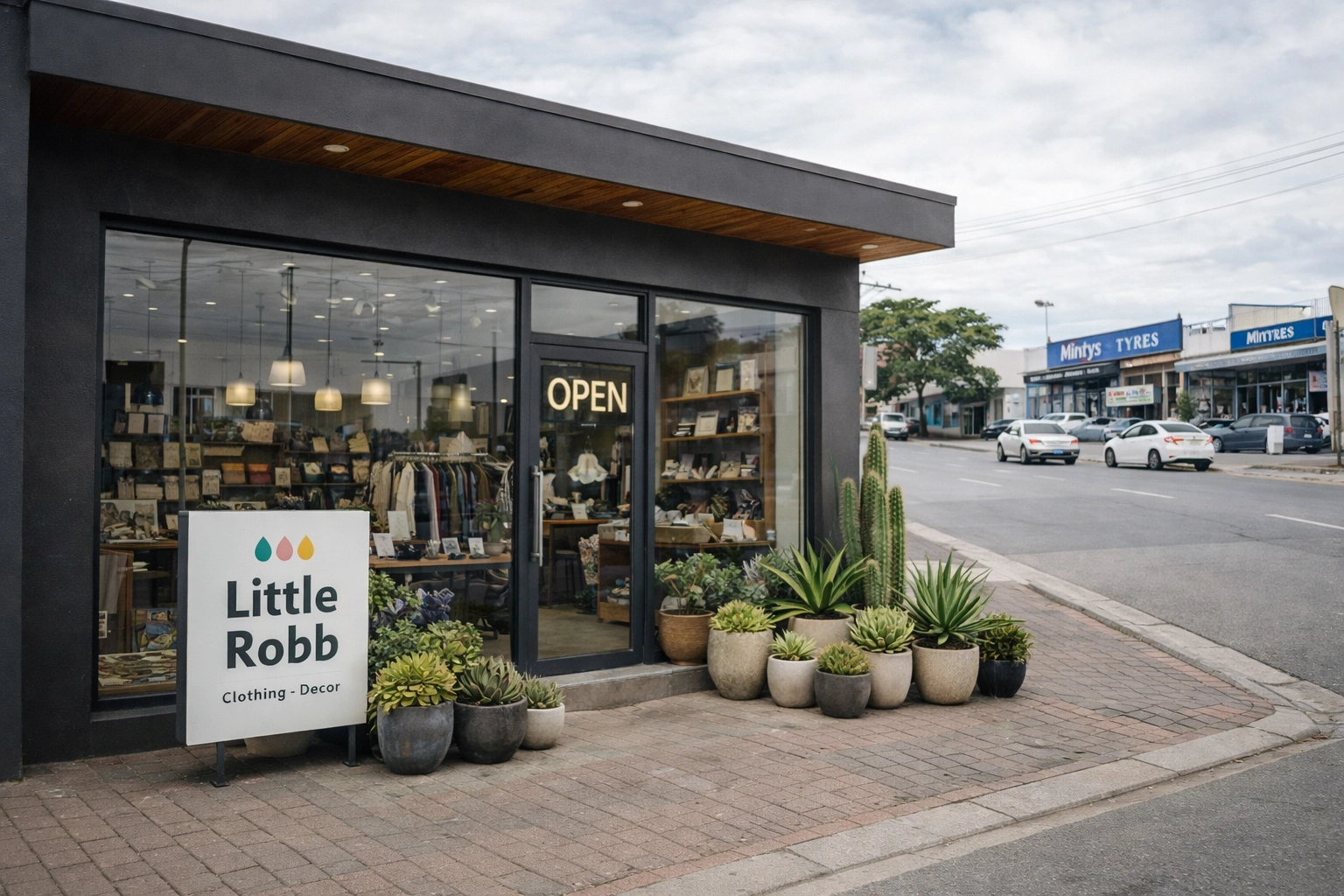
- Upload real photos. Avoid stock imagery. People in South Africa want to see your actual storefront in Randburg or your team in action in Cape Town.
2. The "Inconsistent NAP" Nightmare
NAP stands for Name, Address, and Phone Number.
Is your business listed as "Smith's Panelbeaters" on Facebook, "Smiths Panel Beaters CC" on your website, and "Smith & Sons" on a local directory?
To you, it's the same business. To a search engine algorithm, it's three different, potentially unreliable sources of information.
Explained for humans: Consistency builds authority. If Google sees different phone numbers or addresses across the web, it gets confused. When Google gets confused, it protects its users by hiding you.
How to Fix It:
- Pick a standard format. Decide exactly how your business name and address should look (e.g., "Suite 4, 123 Main Rd" vs "Unit 4, 123 Main Road").
- Audit your listings. Check your social media profiles, local directories, and your own footer.
- Update the outliers. Ensure every mention of your NAP is a carbon copy of your Google Business Profile.
3. You're Treating Reviews Like a One-Way Street
"I don't have time to reply to comments."
I hear this a lot. It's a mistake that costs thousands in lost leads.
Reviews are one of the strongest ranking signals for local SEO. But it's not just about the star rating. It's about the engagement.
The uncomfortable truth: A business that doesn't reply to reviews looks like a business that doesn't care about its customers. Worse, Google's AI now scans review text to understand what you're good at. If a customer says your "Cape Town coffee is the best," and you don't acknowledge it, you're missing a relevancy boost.
How to Fix It:
- Ask for them. Don't be shy. South Africans are usually happy to help if you've done a good job.
- Reply to everything. Yes, even the 1-star rant from the guy who had a bad day.
- Be professional, not defensive. A calm, helpful response to a bad review often impresses potential customers more than a 5-star rating does.

4. You're Using "Ghost Keywords"
Are you trying to rank for "Plumber" or "Plumber in Bryanston"?
If you are a small business, you cannot compete with national giants for broad terms. Trying to rank for "Digital Marketing" globally is a waste of your budget. You need to dominate your specific backyard first.
What this actually means: Your customers aren't just searching for a service; they are searching for a service near them.
How to Fix It:
- Geo-tag your content. Use your suburb and city names naturally in your headings and text.
- Think like a local. Use landmarks or local terminology that your customers use.
- Update your meta tags. Ensure your Title Tags and Meta Descriptions include your primary location.
5. The "One Page Fits All" Strategy
If you have physical locations in both Johannesburg and Durban, but only one "Contact Us" page, you are failing at local SEO.
Google ranks pages , not just websites. If you want to rank for web development in Johannesburg and website development in Cape Town, you need dedicated pages for both.
The real barrier: Laziness. It's easier to have one page. But "easy" doesn't get you to the top of the search results.
How to Fix It:
- Create Location Landing Pages. Each page should have unique content, local testimonials, and a map embedded for that specific branch.
- Don't copy-paste. Do not just swap the city name and keep the rest of the text the same. Google hates "thin" or duplicate content.
- Hyper-localise. Mention local projects or specific areas like Sandton or Midrand to prove to Google you are actually there.
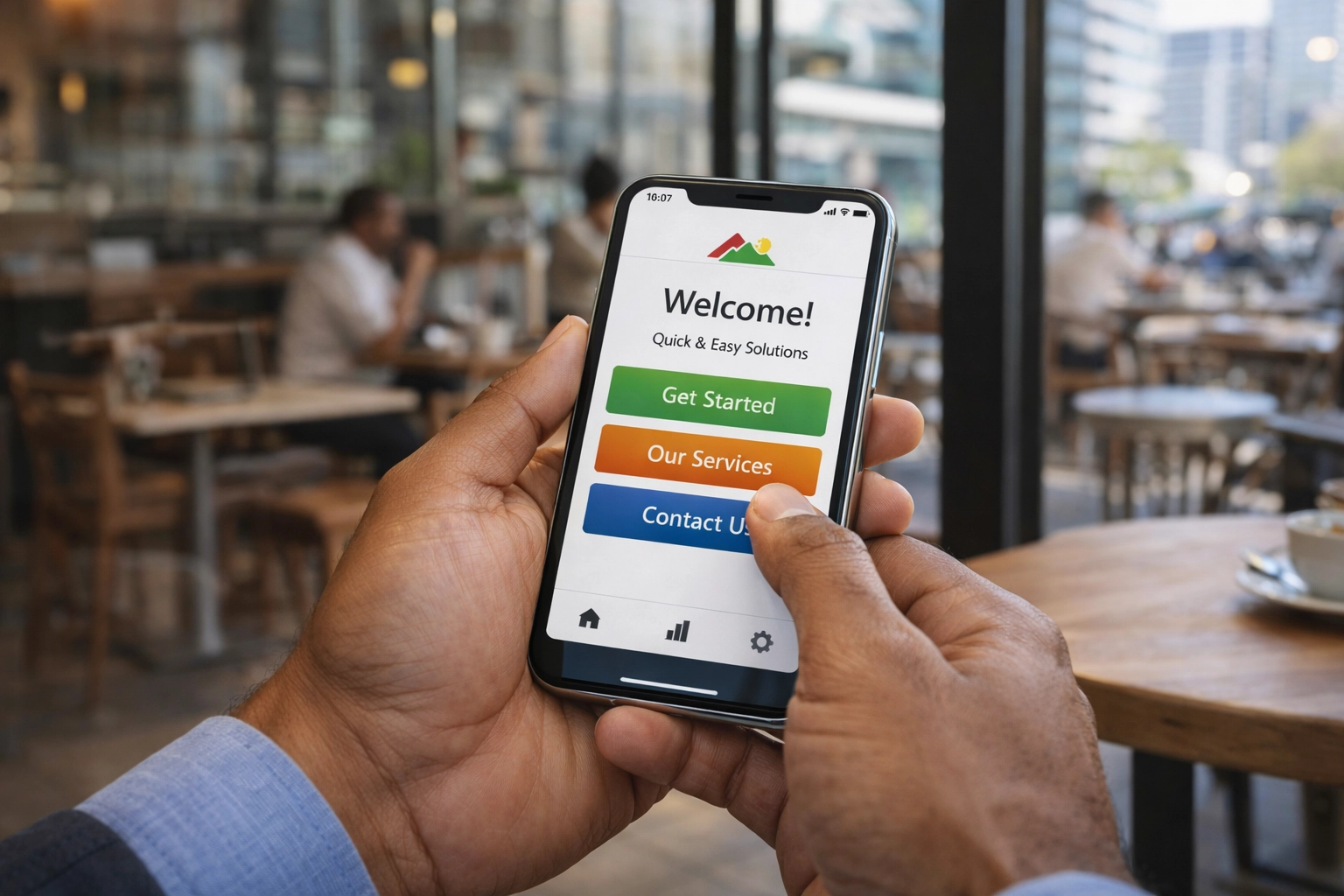
6. Your Mobile Site is a Data Hog
South Africa has some of the most expensive mobile data in the world.
If your website takes 10 seconds to load because you uploaded 5MB photos of your office, people will leave before they even see your logo.
Notably absent? Patience. If your site isn't mobile-responsive and lightning-fast, your bounce rate will skyrocket. Google notices this and will drop your rankings faster than a bad habit.
How to Fix It:
- Check your speed. Use Google PageSpeed Insights. If it's in the red, you have a problem.
- Compress your images. Use modern formats like WebP.
- Simplify the UI. On a mobile phone, the "Call Now" button should be the easiest thing to find. If you're wondering if your current site cuts it, take a look at our website portfolio for examples of high-performance design.
7. You're Neglecting Local Backlinks
A backlink is a "vote of confidence" from one site to another.
Most people chase big, international links. While those are great, a link from the Randburg Chamber of Commerce or a local South African blog is often more valuable for your local SEO.
Can you? Can you prove to Google that the local community knows you? Local links are the "word of mouth" of the internet.
How to Fix It:
- Get listed in local directories. Think Brabys, Yellow Pages (yes, they still matter for SEO), and niche industry directories in SA.
- Sponsor local events. Often, a small sponsorship of a local school or sports club comes with a link from their website.
- Collaborate. Work with other local businesses on a blog post or a local guide.
The Cost of Doing Nothing
The landscape of search is shifting. With the rise of AI-driven search, your customers are using AI to find better deals and more accurate local information.
If your data is messy, inconsistent, or missing, the AI will simply skip you.
Local SEO isn't a one-time task you can tick off a list. It's a competitive discipline. The businesses that win in 2026 are the ones that treat their digital presence with as much respect as their physical one.
Your first step?
Open a private browser window. Search for your service + your city. If you don't like what you see, it's time to get to work. If you'd rather focus on running your business while we handle the technical heavy lifting, contact us today. We're your growth partners, and we know exactly how to put you back on the map.